
Introduction
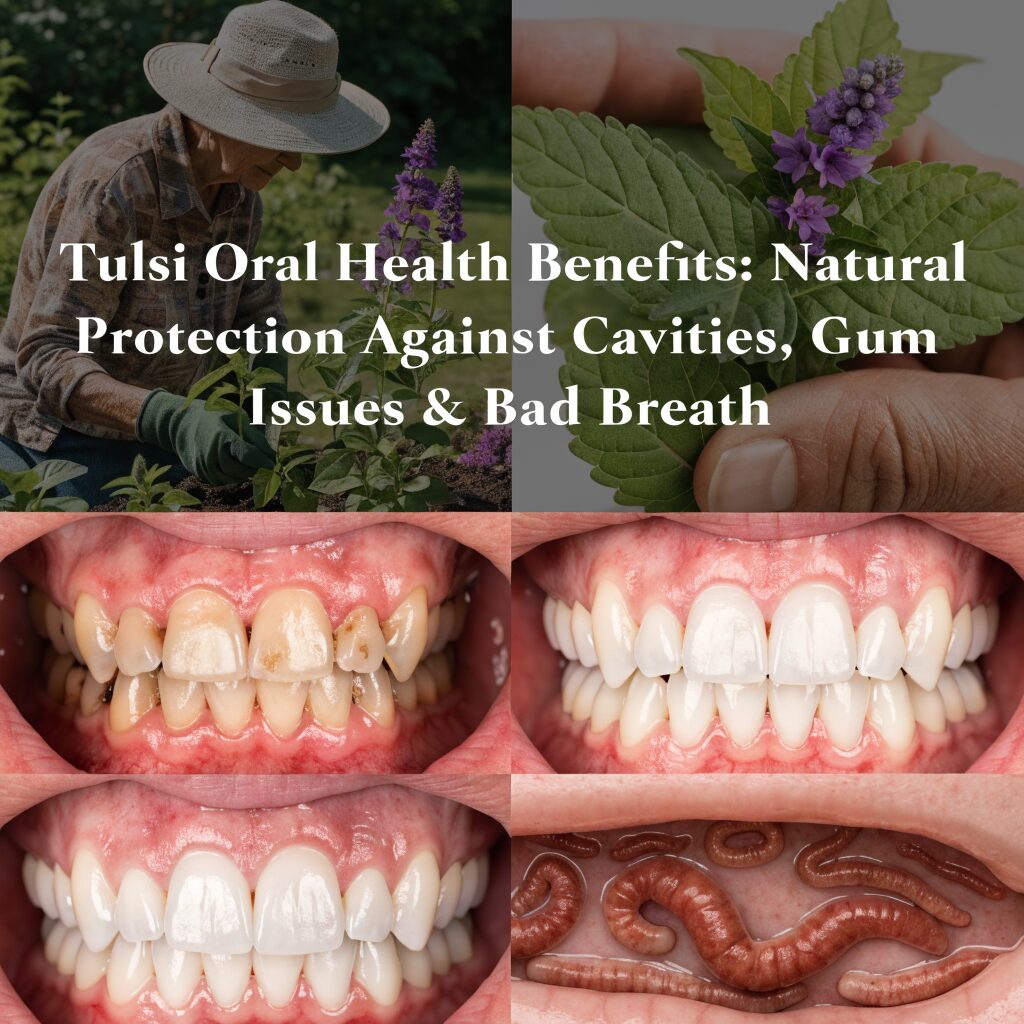
Tulsi, commonly known as holy basil, is a revered herb in traditional medicine and gardening alike. Beyond its spiritual significance and culinary uses, tulsi offers remarkable benefits for oral health. This article explores how tulsi can help protect your teeth and gums naturally, reducing cavities, gum issues, and bad breath.
What Is Tulsi and Why It Matters for Oral Health
Tulsi (Ocimum sanctum) is an aromatic herb often grown in home gardens. Its leaves and flowers contain compounds with antimicrobial, anti-inflammatory, and antioxidant properties. These qualities make tulsi a valuable natural ally in maintaining oral hygiene and preventing dental problems.
Main Oral Health Benefits of Tulsi
- Protection Against Cavities: Tulsi’s antibacterial properties may help inhibit the growth of cavity-causing bacteria in the mouth, reducing plaque formation and tooth decay risks.
- Gum Health Support: The anti-inflammatory effects of tulsi can soothe gum tissues, potentially helping prevent and alleviate gum diseases like gingivitis.
- Bad Breath Reduction: Tulsi’s natural antimicrobial action can combat bacteria responsible for halitosis, promoting fresher breath.
- Oral Tissue Healing: Tulsi compounds may support the healing of minor oral wounds or sores.
Practical Ways to Use Tulsi for Oral Care
- Tulsi Tea Rinse: Brew fresh or dried tulsi leaves in hot water, let it cool, and use as a mouthwash to cleanse the mouth and reduce bacteria.
- Chewing Tulsi Leaves: Chewing fresh tulsi leaves can help stimulate saliva, which naturally protects teeth and gums, while delivering the herb’s antimicrobial benefits.
- Tulsi-Infused Toothpaste or Powder: Some natural toothpaste products include tulsi extract. Alternatively, homemade powders incorporating dried tulsi can be used for brushing.
- Tulsi Oil: Tulsi essential oil diluted properly can be applied carefully for gum massage or added to mouth rinses.
Important Considerations and Limitations
While tulsi offers promising oral health support, it should not replace conventional dental care practices. Regular brushing with fluoride toothpaste, flossing, and dental check-ups remain essential. Tulsi is best used as a complementary natural aid.
People with allergies or sensitivities to herbs should test tulsi cautiously. Pregnant or breastfeeding women should consult healthcare providers before using tulsi products extensively. Also, avoid swallowing concentrated tulsi oils or extracts.
Useful Tips for Incorporating Tulsi into Daily Life
- Grow tulsi at home for fresh access to leaves and flowers.
- Include tulsi tea in your daily routine, especially after meals.
- Combine tulsi with other oral-friendly herbs like neem for enhanced benefits.
- Maintain consistency for best results; natural remedies work gradually.
- Store dried tulsi in airtight containers away from moisture.
Frequently Asked Questions
Can tulsi cure cavities?
Tulsi may help reduce bacteria that cause cavities but cannot reverse existing dental decay. Professional treatment is necessary for cavities.
Is tulsi safe for daily oral use?
Generally, yes. Using tulsi tea or chewing leaves is safe for most people. Avoid concentrated extracts unless advised by a healthcare professional.
How does tulsi compare to commercial mouthwashes?
Tulsi offers a natural alternative with antimicrobial benefits but may not have the broad-spectrum efficacy of some commercial products. It can complement but not fully replace them.
Can tulsi help with bad breath caused by medical conditions?
Tulsi may reduce bacteria-related bad breath but may not address underlying medical causes. Consult a healthcare provider if bad breath persists.
Conclusion
Tulsi is a versatile herb that supports oral health through its natural antibacterial and anti-inflammatory properties. Incorporating tulsi into your oral care routine can provide gentle protection against cavities, gum inflammation, and bad breath. Remember to maintain regular dental hygiene practices and consult dental professionals for any concerns. Tulsi’s natural benefits make it a valuable addition to holistic oral wellness.